





A social anxiety therapist in San Jose, helping adults find confidence in social situations through EMDR and CBT.

Every conversation feels like a performance being judged. The mental replay starts before the interaction even ends. What you want is to show up without constant self-monitoring, to speak without rehearsing every word, to be present instead of analyzing how you’re being perceived.
Therapy helps you understand what drives the fear of judgment and build skills to stay grounded when anxiety spikes. Through EMDR and CBT, you learn to interrupt the patterns that keep you hypervigilant and reclaim the ease that social anxiety has taken.

Social anxiety therapy may be a good fit if you:
Social anxiety doesn't have to control where you go and who you see.
Social anxiety shows up differently depending on the situation, but the underlying fear of judgment remains constant. Understanding these patterns helps you recognize what you’re dealing with.

Presenting in meetings, speaking up with ideas, or being observed while working can trigger intense anxiety. Many people dealing with performance anxiety also experience general anxiety patterns that compound the fear.
Every social interaction feels like being evaluated. You scan for signs of disapproval, analyze how you’re coming across, and worry that people are noticing your anxiety. For some people, these patterns connect to panic attacks when social pressure feels overwhelming.
Dating brings social anxiety into sharp focus. The fear of rejection, saying something wrong, or not being interesting enough can make romantic connections feel impossible. Some people find that couples therapy helps when social fears impact their partnership.
Speaking in front of groups triggers some of the most intense social anxiety. The anticipation can be worse than the event itself, and physical symptoms often feel uncontrollable.
This specific form of social anxiety centers on being watched while eating or drinking. The fear of trembling hands, choking, or being judged for how you eat can make meals in social settings unbearable.
First impressions feel like high-stakes performances. The pressure to appear confident, interesting, and likable creates intense anxiety that makes natural connections nearly impossible.

I use EMDR and CBT together to help you reduce the fear of judgment and build confidence in social situations. These approaches work at different levels to create both immediate relief and lasting change.
EMDR processes the memories and experiences that taught your brain to fear social situations. Often, specific moments of embarrassment, rejection, or judgment created patterns that now feel automatic.
CBT gives you practical skills for managing anxious thoughts and staying grounded when social anxiety spikes. You learn to challenge predictions about judgment and build confidence through gradual exposure.
Social anxiety makes you doubt your ability to navigate interactions successfully. Therapy helps you build confidence through practice and evidence that contradicts anxious predictions.

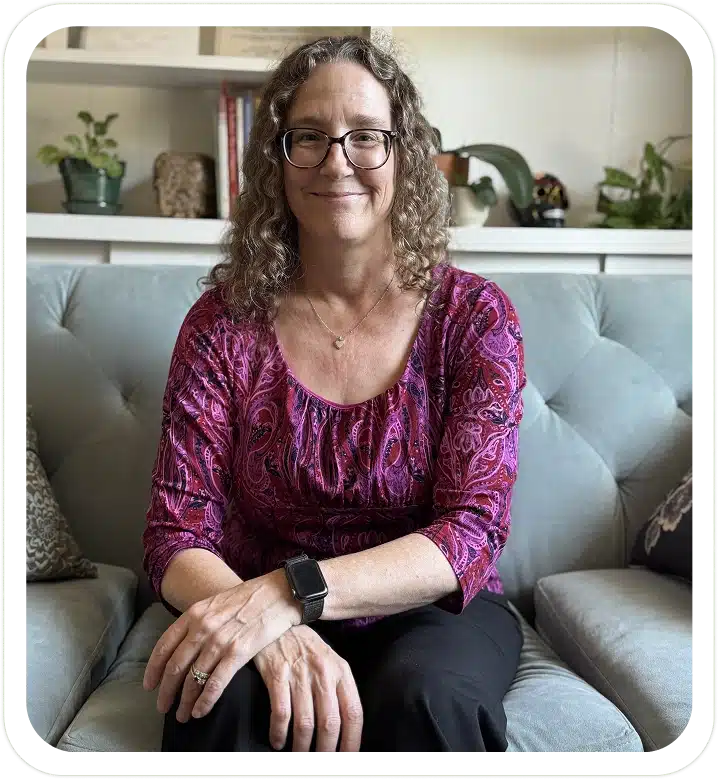
I’m a licensed psychologist with over 25 years of experience helping clients overcome anxiety and social fears using EMDR and CBT. I earned my PhD from Stanford University and my undergraduate degree from Harvard College. I’ve been EMDRIA-certified in EMDR since 2009 and have been in private practice since 2011.
I specialize in working with high-achieving professionals in Silicon Valley who struggle with social anxiety despite their accomplishments.
My approach is practical, focused, and rooted in evidence-based methods that create lasting change. I don’t believe in endless therapy without clear direction. My goal is to help you reach your goals as efficiently as possible.

My office is located at 2020 Forest Avenue, Suite 3, San Jose, California 95128, near Valley Fair and Santana Row. I serve clients throughout the South Bay, including professionals from Silicon Valley, Santa Clara County, and the greater San Jose area.
Both in-person and online appointments are available for California residents, making specialized social anxiety therapy accessible regardless of your location in the Bay Area.

The initial assessment is 45 minutes. We’ll talk about what brings you to therapy, what social situations trigger anxiety, and what you want to change. I’ll ask questions to understand how social anxiety is affecting your daily life and what approaches might be most helpful.
Social anxiety therapy works by addressing both the underlying patterns that fuel your fear of judgment and the current symptoms you experience in social situations. The goal isn’t to eliminate all nervousness, which everyone feels occasionally, but to reduce the intensity and frequency of social anxiety so it no longer controls your choices.
The Social Anxiety Cycle
Social anxiety operates in a predictable pattern that reinforces itself.
How EMDR Addresses Social Anxiety
EMDR processes the root experiences that created your fear of judgment.
How CBT Breaks the Pattern
CBT gives you practical tools to interrupt anxious thoughts and behaviors.
What Changes Look Like
Progress happens gradually as you build new response patterns.
While shyness and social anxiety can look similar on the surface, they differ significantly in intensity, duration, and impact on your life. Understanding this distinction helps clarify whether you need professional support.
What Shyness Looks Like
Shyness is a common personality trait that doesn’t necessarily interfere with functioning.
What Social Anxiety Looks Like
Social anxiety is more intense and persistent, creating significant distress.
When Shyness Becomes Social Anxiety
The line between shyness and social anxiety often involves these factors.
Why the Distinction Matters
Knowing whether you’re experiencing shyness or social anxiety shapes your approach.
How We Assess This Together
During the initial assessment, we’ll clarify what you’re experiencing.
Common Anxiety Symptoms in Daily Life
Social anxiety creates physical, emotional, and behavioral symptoms that interfere with work and relationships.
The length of social anxiety therapy varies based on several factors. Some people see meaningful improvement in a few months, while others benefit from longer-term work to address deeper patterns.
Factors That Influence Duration
Several elements affect how quickly you’ll see progress.
What Short-Term Work Addresses
Some people accomplish specific goals in 8 to 15 sessions.
What Longer-Term Work Addresses
More comprehensive change typically takes 15 to 25 sessions or longer.
My Approach to Efficiency
I aim to help you make progress as quickly as possible. With 25 years of experience using EMDR and CBT for social anxiety, I can often help clients achieve meaningful change more efficiently than traditional talk therapy alone. After our initial assessment, I’ll give you a clearer estimate of how many sessions might be needed based on your specific situation.
Yes. Therapy significantly reduces fear of public speaking for most people, even those with severe presentation anxiety. The key is understanding that public speaking fear involves both anticipatory anxiety and in-the-moment symptoms, which require different interventions.
Why Public Speaking Fear Feels So Intense
Public speaking triggers unique aspects of social anxiety.
How Therapy Reduces Public Speaking Anxiety
Treatment addresses both the fear itself and your response to it.
Through EMDR
Through CBT
What Changes Over Time
As you practice new responses, public speaking becomes more manageable.
This is a common fear, but social anxiety is rarely too severe for therapy to help. In fact, people with significant social anxiety symptoms often see substantial improvement with the right treatment approach.
Why This Fear Makes Sense
When social anxiety dominates your life, change can feel impossible.
What Actually Predicts Success
Severity doesn’t determine whether therapy will help.
How We Approach Severe Social Anxiety
Treatment adapts to where you are, not where you think you should be.
When Additional Support Helps
Sometimes medication alongside therapy creates better outcomes.
EMDR helps with social anxiety by processing the underlying experiences that taught your brain to fear judgment and social situations. While CBT addresses current symptoms, EMDR targets the root memories that created the fear in the first place.
What EMDR Targets in Social Anxiety
EMDR processes specific memories that maintain patterns of social fear.
How EMDR Processing Works
During EMDR sessions, we identify and reprocess memories connected to your social anxiety.
Why EMDR Creates Lasting Change
Processing memories at this level shifts patterns that talk therapy often can’t reach.
EMDR Combined with CBT for Social Anxiety
I use EMDR alongside CBT because they address different aspects of social anxiety.
I’m an out-of-network provider for all insurance companies, which means you pay at the time of service and can seek reimbursement from your insurance if you have out-of-network benefits. Many clients find this arrangement works well because it allows for optimal treatment without insurance company restrictions.
How Out-of-Network Benefits Work
If you have a PPO or similar plan, you may have out-of-network mental health coverage.
Checking Your Benefits
You can check your out-of-network benefits before our first session.
Why Private Pay Offers Advantages
Not working directly with insurance companies allows for more effective treatment.
This is one of the most common questions people ask, and the distinction matters because social anxiety and general anxiety require somewhat different treatment approaches.
Key Differences Between Social Anxiety and General Anxiety
While both involve worry and distress, they show up differently.
What Social Anxiety Looks Like
What General Anxiety Looks Like
If you’re experiencing worry across many areas of life, anxiety therapy can help address those broader patterns.
The Overlap Between Social and General Anxiety
Many people experience both social anxiety and general anxiety simultaneously.
Why Accurate Understanding Matters
Knowing whether your experience is primarily social anxiety, general anxiety, or both shapes the treatment approach.
How We Figure This Out Together
During the initial assessment, we’ll clarify what patterns you’re experiencing.
Treating Anxiety and Depression Together
Social anxiety and depression frequently occur together, and both respond to integrated treatment.
Treating OCD Alongside Social Anxiety
I can address OCD patterns when they overlap with social anxiety, though severe OCD may require specialized treatment.
Finding a therapist who truly understands social anxiety and uses effective treatment methods can make the difference between struggling for years and making meaningful progress relatively quickly.
What to Look for in a Social Anxiety Therapist
Not all therapists have specialized training in treating social anxiety.
Questions to Ask During Consultations
A brief consultation call helps you determine if a therapist is a good fit.
Finding a Social Anxiety Therapist Near Me in San Jose
San Jose and the broader South Bay area have several options for social anxiety treatment.
Why Specialized Training Matters
Social anxiety requires specific approaches that differ from general therapy.
What Makes My Approach Effective
I’ve used EMDR and CBT for social anxiety for over 25 years with high-achieving professionals in Silicon Valley.
Scheduling Your First Social Anxiety Therapy Consultation
The initial consultation helps you understand what treatment will look like.
Therapy Services in Campbell and Greater San Jose
I serve clients throughout Santa Clara County, including Campbell, Los Gatos, Palo Alto, and surrounding South Bay communities.
National Social Anxiety Center vs. Private Practice
Some clients ask about programs like the National Social Anxiety Center, which offers CBT-based group therapy.
Temporary increases in anxiety during social anxiety treatment are actually common and often a sign that the work is beginning to shift deeper patterns. Understanding why this happens helps you stay the course when treatment feels difficult.
Why Symptoms May Initially Intensify
Social anxiety symptoms can temporarily worsen for several reasons.
How We Navigate Difficult Moments
Treatment adapts to keep you challenged but not overwhelmed.
When Increased Symptoms Signal a Problem
Sometimes worsening symptoms mean we need to adjust the approach.
What Success Actually Looks Like
Progress with social anxiety rarely follows a straight line upward.
My Commitment to Your Safety
I prioritize your well-being throughout the treatment process.