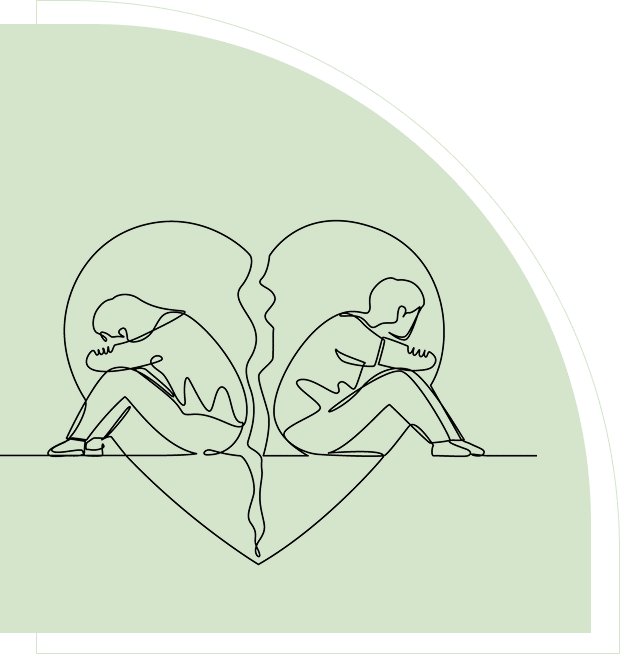
Expert EMDR Therapy for the Impact of Relationship Trauma
Relationship trauma can shape how you feel, react, and relate, long after a relationship has ended or changed. Experiences that occur within close relationships have a unique ability to affect the nervous system, sense of self, and capacity for trust.
I provide specialized therapy for relationship trauma using EMDR therapy, informed by 25 years of clinical experience and advanced training.
My approach is designed for individuals seeking expert-level, efficient care that addresses the underlying impact of relational experiences rather than focusing solely on insight or coping strategies.
What Is Relationship Trauma?
Relationship trauma refers to distressing or destabilizing experiences that occur within close relationships, particularly those involving emotional significance, dependency, or vulnerability. These experiences do not need to be dramatic or overtly abusive to have a lasting impact.
Because attachment and safety are intertwined, relational trauma often becomes encoded in the nervous system, shaping our expectations, emotional responses, and patterns of connection.
Let's Get Started
Common Forms of Relationship Trauma
Relationship trauma can arise from many experiences, including:
Emotional abuse, harsh criticism, or chronic invalidation
Betrayal, infidelity, or sudden abandonment
Manipulation, gaslighting, or intense control
Repeated experiences of emotional neglect or unpredictable availability
High-conflict relationships or exposure to ongoing relational stress or domestic violence
Relationships marked by a power imbalance or lack of emotional safety
Negative childhood relational experiences that continue to affect adult relationships
Often, it is the pattern over time—rather than a single event—that creates lasting distress.
How Relationship Trauma Shows Up
The impact of relationship trauma is not always obvious or logical. Many individuals are highly capable and self-aware, yet continue to experience reactions they cannot fully control.
Common effects include:
Difficulty trusting others or feeling emotionally safe
Heightened sensitivity to rejection, criticism, or conflict
Anxiety, emotional shutdown, or people-pleasing in relationships
Strong emotional reactions that feel disproportionate to the situation
Difficulty behaving the way you want in spite conscious intentions and goals for positive communication and measured responses
Shame, self-doubt, or low self esteem
These responses are best understood as nervous system adaptations, not personal failures.
Why EMDR Is Effective for Relationship Trauma
Relationship trauma is often stored in the body as emotion, perception, and a sense threat rather than recalled as a clear narrative. EMDR works directly with this level of experience.
EMDR helps the brain and nervous system:
Reprocess past negative experiences that trigger current distress
Reduce emotional reactivity linked to past relationships traumas or losses
Shift entrenched patterns based in past violations or harms
Restore a sense of choice, agency, and emotional flexibility
Many clients experience meaningful change without needing to analyze relationships endlessly.
Begin Therapy for Relationship Trauma
If relationship trauma is affecting your emotional well-being or patterns of connection, specialized treatment can help. EMDR therapy offers a powerful way to address the underlying impact of relational experiences rather than simply managing symptoms.
Schedule a consultation to discuss your goals and determine whether EMDR therapy is the right fit for you.
Working with relationship trauma requires careful assessment, pacing, and sensitivity to attachment dynamics. With 25 years of clinical experience, I bring the judgment needed to work effectively with:
Complex relational experiences
Longstanding patterns rooted in early or repeated relationship traumas
High-functioning individuals whose distress is episodic.
My approach emphasizes safety, precision, and efficiency. allowing the work to go deep without becoming overwhelming.
What Change Looks Like
Clients frequently report:
Reduced emotional reactivity in close relationships
Increased sense of internal stability and self-trust
Greater clarity about boundaries and needs
More flexibility and choice in how they respond to others
More positive self views
Change often feels less like learning something new and more like no longer being driven by the past.